

- Many firms assume backups “just work” without knowing what’s included
- Critical systems like case management and email are often missed
- Firms rarely know how much downtime they can realistically tolerate
- Incomplete or short-term backups lead to long, costly recovery efforts
- Restorability matters as much as having backups at all
Insights: Knowing You Have Backups Isn’t Enough
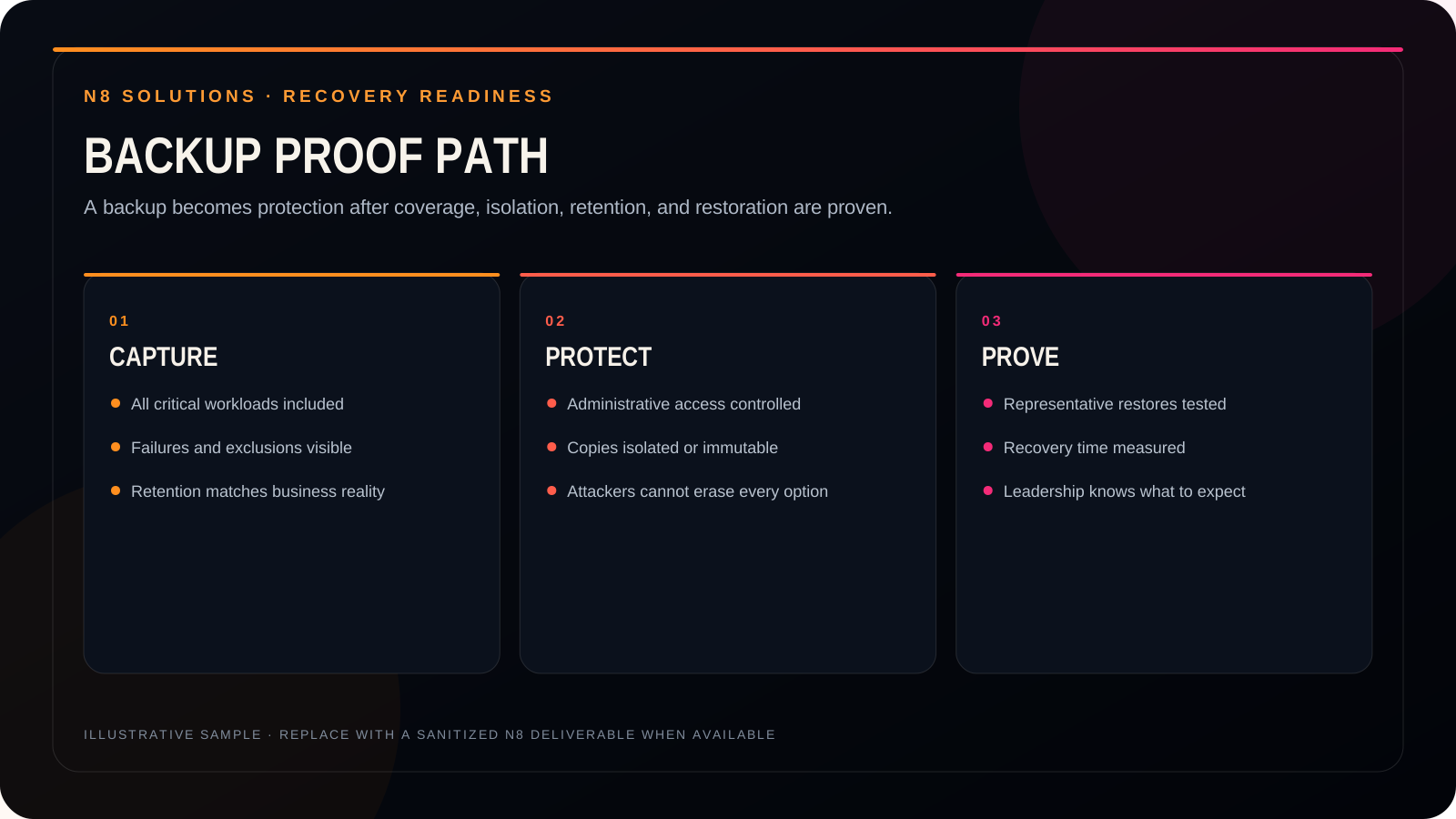
Law firms are often told they have backups, so they assume they’re covered. The reality is more complicated. The most important question isn’t whether backups exist — it’s what’s actually being backed up.
Are emails included? What about desktop files, servers, or the case management system where critical documents live? These are the areas that matter most during an outage or ransomware event, yet they’re frequently overlooked.
When firms experience downtime, the conversation quickly shifts to what level of disruption they can live with. Faster recovery is possible, but it often comes at a higher cost. Without comprehensive system and long-term backups in place, firms are forced to choose what gets restored first — and what may be lost entirely.
Another critical factor is restorability. Data must not only exist in a backup but also be stored in a way that allows it to be easily and reliably recovered. If backups haven’t been tested, firms may not discover problems until it’s too late.
See what this means for your environment.
Bring the real situation. N8 will help separate the important risk from the noise and identify a practical next step.